Playful Stacking Kawaii Turtles
First Impressions: Joy, Rhythm, and That Instant Smile
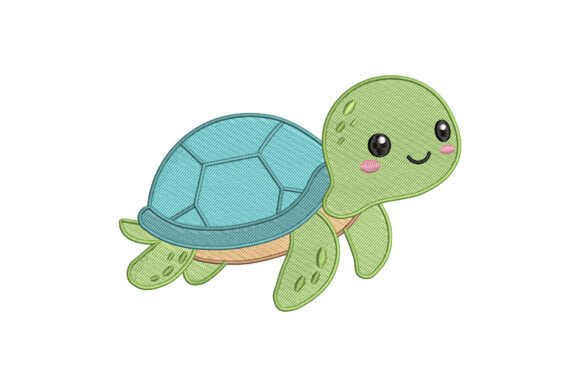
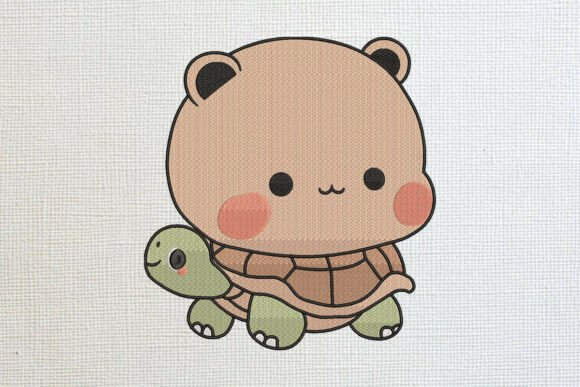
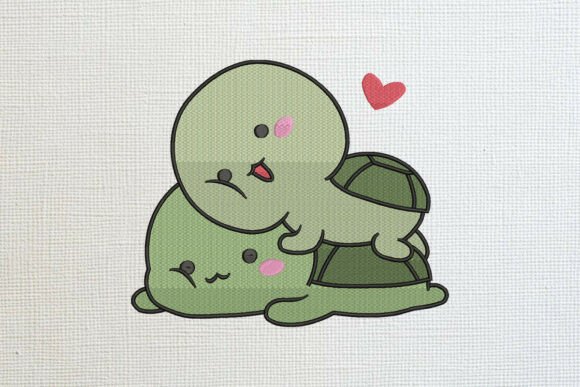
As an embroidery designer who’s stitched for boutique brands from Portland to Kyoto, my first glance at Playful Stacking Kawaii Turtles stopped me mid-thread-cut. It’s not just “cute”—it’s emotionally resonant. The stacking composition suggests gentle motion and layered personality: one turtle peeking over another’s shell, tiny limbs tucked or waving, eyes wide with quiet wonder. This isn’t flat clipart—it’s a machine embroidery design built for expression. The implied line weight feels soft but intentional, the curves generous enough to hold shape on knit fabric without losing charm. On screen, it reads as joyful and cohesive; in stitch, I immediately envision plush thread catching light—especially on brushed fleece or French terry sweatshirts.
How It Lives on Real Sweatshirts (Not Just Mockups)
Playful Stacking Kawaii Turtles thrives where many kawaii designs falter: scale and context. On a neutral heather grey crewneck, it lands as warm and inviting—not saccharine. On deep navy or charcoal hoodies, the contrast pops without shouting; white or pale mint thread keeps it airy and nursery-appropriate while still feeling elevated. Pastel sweatshirts? A perfect match—think blush pink or sky blue knits where the turtles become soft focal points rather than distractions. And yes, it holds up beautifully on oversized hoodies: the vertical stack naturally follows the chest contour, and the rounded forms soften angular silhouettes. For seasonal apparel—think cozy winter loungewear or lightweight spring pullovers—it reads as timeless playfulness, not trend-chasing.
Boutique Brand Fit: Premium, Not Precious
This isn’t a minimal logo or a rustic monogram. Playful Stacking Kawaii Turtles is decorative storytelling—ideal for small shops leaning into handmade warmth and emotional connection. It feels premium because it’s *considered*: the spacing between turtles allows breathing room in stitch, the shell textures suggest subtle fill variation (not dense overload), and the overall layout avoids visual clutter. It’s feminine without being fussy, playful without sacrificing polish. For a nursery-focused boutique brand, it bridges baby gifts and mom-friendly loungewear—inviting cross-generational appeal. Customers scrolling Etsy or Instagram don’t just see “turtles”; they feel safety, whimsy, and care. That builds trust faster than any tagline.
Practical Embroidery Notes You Can’t Skip
Before hooping, here’s what matters for commercial sweatshirt embroidery:
- Thread color contrast: Light thread on dark fabric will read clearly—but avoid ultra-thin pastels (like pale yellow) on black; they’ll mute. Stick with creamy whites, soft greys, or muted corals for maximum legibility and depth.
- Stitch density & stabilizer: Given the stacking form and likely curved fills, expect moderate density—not sparse, not saturated. Use medium-weight cutaway stabilizer for structured support on stretchy knits. Tear-away may shift under dense sections near turtle limbs or shell edges.
- Fabric texture & thickness: Works best on mid- to heavyweight sweatshirting (8–10 oz). Avoid ultra-thin jersey or slubbed organic cottons unless you test first—the design’s charm relies on clean stitch definition, not texture interference.
- Small-size readability: At 3.5" tall (a common chest placement), facial details and limb separation remain distinct. Below 3", some stacking nuance softens—so keep minimum size recommendations in mind for sleeve accents or onesies.
- Hoop placement & washing durability: Center-chest placement balances proportion and wear. Because the design avoids fine interior details or sharp angles, it withstands repeated laundering better than highly intricate motifs. Reinforced backings aren’t needed—but always pre-wash fabric to prevent puckering post-stitch.
Where It Shines Beyond the Chest
Don’t limit Playful Stacking Kawaii Turtles to standard placements. Try it scaled down (2.75") on hoodie sleeves—just above the cuff—for subtle brand recognition. Flip orientation for back designs on relaxed-fit pullovers: centered low-back placement adds quiet charm without overwhelming. For lifestyle product photography, it photographs beautifully against natural light and textured backdrops—wood grain, linen, or soft wool blankets enhance its handmade product vibe. As a digital embroidery file, it pairs seamlessly with printable mockups for Etsy listings, letting small shop owners showcase realistic wearability fast. And when bundled with coordinating design assets—like single-turtle variants or cloud accents—it becomes part of a scalable brand language, not just a one-off.
Why This Design Elevates Your Small Shop
In a sea of generic embroidery files, Playful Stacking Kawaii Turtles delivers emotional differentiation. It tells customers: *This shop understands joy, craftsmanship, and the quiet magic of everyday moments.* That perception lifts perceived value—buyers pay more for intention, not just ink. It also strengthens visual recognition across platforms: consistent use on sweatshirts, tote bags, and even nursery wall art creates cohesion. For Etsy sellers and crafters, it signals attention to detail—a hallmark of trusted handmade product. And for apparel decorators building custom apparel for local boutiques? It’s a conversation starter with clients who want something that feels both fresh and deeply human.
A Final Note to Designers & Makers
While the description hints at Japanese-inspired kawaii roots—and that cultural resonance is clear in the design’s gentleness and balance—always verify file specifics before production. Check the actual digital embroidery file for recommended hoop size, stitch count range, and included formats (.dst, .pes, .jef, etc.). Confirm whether it’s optimized for multi-needle machines or single-head setups. And if your boutique brand extends into Nursery items beyond apparel—think burp cloths or crib sheets—test how the stacking rhythm translates at smaller scales. Because great sweatshirt embroidery starts long before the needle drops: it begins with thoughtful selection, respectful execution, and honoring the story each stitch tells.