Buttonhole
A Professional Embroidery Design for Small Business Merch
As an experienced embroidery designer, I’ve had the chance to review countless designs for use in small business merch. Buttonhole stands out as a versatile and professionally digitized embroidery file that could elevate your brand’s visual presence across multiple product lines.
First Impression: Sleek and Professional
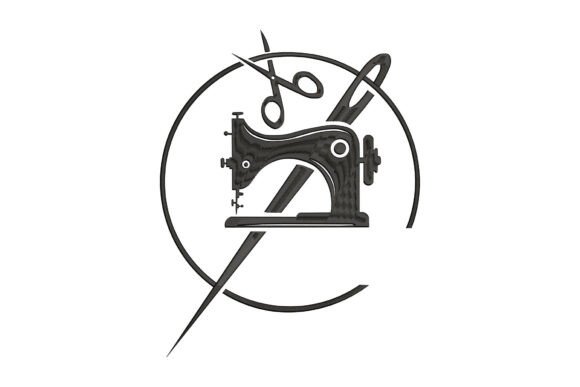
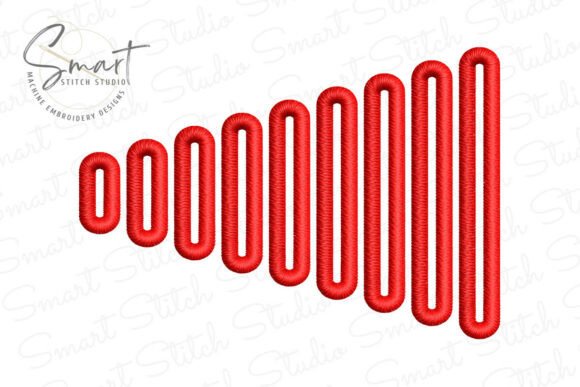
The first thing that caught my eye was the smooth rounded oval shape of Buttonhole. It feels modern and clean, with a strong sense of purpose. The dense satin stitching adds a level of sophistication that immediately suggests quality. Whether you're looking for a logo or a subtle brand mark, Buttonhole has a professional edge that fits well into both formal and casual branding scenarios.
Design Performance in Real Business Use
Buttonhole is designed with practicality in mind, making it ideal for a variety of applications. From embroidered patches to cap fronts, this design can be adapted to fit different surfaces and sizes. Its compact shape makes it perfect for small patch sizes, while its density ensures it holds up well on fabric textures.
- Embroidered Patches: Buttonhole works beautifully as a patch, especially when paired with high-quality thread colors and proper stabilizer.
- Staff Uniforms: The design's clean lines make it suitable for chest logos, sleeve accents, and even back patches on uniforms.
- Apron Embroidery: With its rounded shape, Buttonhole integrates smoothly into aprons, adding a touch of professionalism without overwhelming the design.
- Cap Embroidery: This design is ideal for front caps, where it maintains visibility and clarity even after frequent washing.
- Tote Bag Design: Buttonhole can be used as a subtle branding element on tote bags, adding value without being too intrusive.
- Product Packaging Accents: As a digital embroidery file, Buttonhole can be printed onto packaging, enhancing brand recognition and customer engagement.
Considerations for Careful Use
While Buttonhole is versatile, there are specific areas where it should be used with care. The dense satin stitching may not perform well on textured fabrics, and the design’s intricate details could be lost at very small patch sizes. Additionally, the contrast between thread color and fabric background is crucial—especially on dark uniforms or items that require frequent washing.
For best results, test Buttonhole in black and white first to ensure clarity. Check how it looks at small patch sizes and verify that the thread colors provide sufficient contrast against the intended fabric. Confirming the hoop size and using the right stabilizer will also help maintain the design’s integrity during production.
Impact on Brand Identity and Customer Trust
Buttonhole contributes significantly to brand identity by offering a consistent and recognizable visual element. When used across multiple products, such as caps, aprons, and tote bags, it reinforces brand recognition and builds customer trust. A well-executed embroidered design like Buttonhole enhances the perceived value of your merchandise, making it more appealing to both customers and clients.
From a handmade product perspective, Buttonhole allows for a balance between precision and artistry. It supports the creation of visually consistent design assets that align with the overall brand aesthetic. Whether you're running a boutique, café, or craft business, this design helps maintain a cohesive look across all your offerings.
Practical Notes for Embroidery Designers
As a designer, I recommend the following steps before using Buttonhole for commercial projects:
- Test in Black and White: Ensure the design holds up without color, especially for small business merch that may need to be printed in monochrome.
- Check Patch Size Compatibility: Verify that Buttonhole works well at small sizes, particularly if you plan to use it on caps or patches.
- Review Thread Color Contrast: Choose thread colors that stand out against the fabric, especially on dark backgrounds.
- Inspect Spacing and Density: Confirm that the stitch density and spacing are appropriate for the intended use.
- Confirm Hoop Size: Make sure the design fits within the recommended hoop size for your embroidery machine.
- Test on Real Fabric: Always do a test run on the actual fabric you’ll be using to ensure the finished product meets expectations.
- Use Proper Stabilizer: Select the right stabilizer type to prevent puckering or distortion, especially on delicate fabrics.
- Create a Mockup: Provide a printable mockup for client approval before final production.
- Compare with Other Assets: Ensure Buttonhole aligns with your existing design assets for visual consistency.
- Confirm Commercial Licensing: Always check that you have the necessary rights for commercial use, especially if you’re selling custom apparel or branded merchandise.
Conclusion: A Versatile Asset for Small Business Merch
Buttonhole is more than just an embroidery design—it’s a valuable asset for small business merch. Its sleek appearance, dense satin stitching, and adaptability make it a great choice for a wide range of applications. Whether you're creating embroidered patches, cap embroidery, or tote bag designs, Buttonhole offers a professional and consistent look that supports your brand’s visual identity.
With careful planning and testing, Buttonhole can become a staple in your design toolkit. By following these practical notes and considering the right use cases, you can ensure that your finished product delivers both quality and impact.